
This post contains affiliate links. If you buy through them, we may earn a small commission at no extra cost to you. As an Amazon Associate I earn from qualifying purchases. Learn more
If your only memory of tequila involves salt, a lime, and regret, give it another chance. Good tequila is a sipping spirit in Mexico, and it is far more interesting than its party reputation.
What is it?
Tequila is a Mexican spirit made from blue Weber agave, a spiky desert plant (not a cactus). The name is protected: tequila must come from designated areas of Mexico, mostly the state of Jalisco. Look for “100% agave” on the label. Bottles without it are mixtos, which only need 51% of their sugar from blue agave.
What the law says
In the U.S., tequila is a regulated standard of identity. A bottle can only be labeled that way if it meets these rules.
- Where: it must be made in Mexico, within the protected tequila region, following Mexico’s tequila rules.
- Labeled “Tequila”: at least 51% of the sugars that get fermented must come from blue agave; up to 49% may come from other permitted sugars. That 51% is about the sugar, not 51% of what is in the bottle.
- Labeled “Tequila 100% Agave”: all of the sugar comes from blue agave, and it must be bottled in Mexico. (And no, “100% agave” does not mean 100% alcohol.)
- Strength for U.S. sale: comes off the still below 95% alcohol (190 proof) and is bottled at 40% (80 proof) or higher.
Source: U.S. standards of identity, 27 CFR § 5.148, plus Mexico’s official tequila standard. Flavored versions, specialty products, and named subtypes may have additional or different requirements.
How is it made?
Farmers harvest the heart of the agave, called the piña because it looks like a giant pineapple. The piñas are cooked, usually in ovens, to turn their starches into sugar, then crushed to release the juice. The juice is fermented and distilled. Some tequila is bottled right away; the rest rests in barrels, which creates the different styles below.
What does it taste like?
Earthy, peppery, and a little sweet, with green, vegetal notes and hints of citrus. Barrel aging adds vanilla, caramel, and spice.
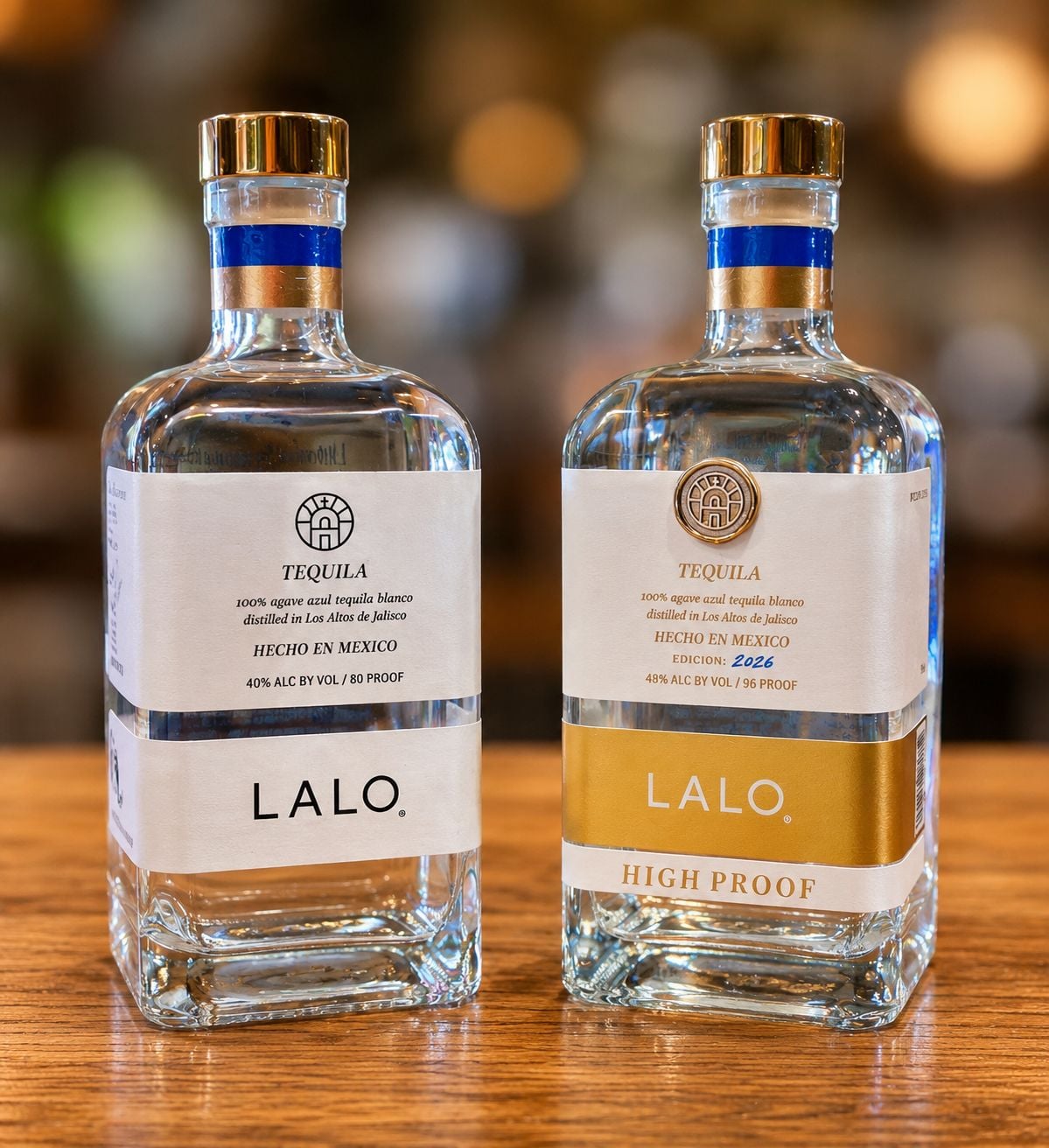
What are the main styles?
| Style | Aging | Character |
|---|---|---|
| Blanco or plata | Unaged or very briefly rested | Bright, peppery, pure agave |
| Reposado | 2 months to under 1 year in oak | Smoother, a touch of vanilla |
| Añejo | 1 to 3 years in oak | Rich, caramel, sipping style |
| Extra añejo | Over 3 years | Deep and oaky, priced for special occasions |
| Gold or joven | Varies | Often a mixto with coloring, or a blend. Read the label. |
When would you use each style?
Use blanco in Margaritas, Palomas, and anything with fresh lime. Try reposado in richer drinks or a tequila Old Fashioned. Save añejo and extra añejo for sipping.
Which mixers work well, and why?
Lime is tequila’s best friend, cutting through the earthy flavor. Grapefruit soda (for a Paloma) adds bittersweet fizz. Orange liqueur, pineapple, ginger beer, and agave syrup all play nicely too.
What can you substitute?
Mezcal is tequila’s closest relative and adds smoke; start by swapping half. Vodka or white rum will make a drinkable stand-in for blanco tequila, but you lose the agave flavor that makes the drink what it is.
Did you know?
Tequila’s roots are in western Mexico, especially around the town of Tequila and nearby communities in Jalisco. Its story brings together Indigenous knowledge of growing and preparing agave with distilling practices introduced and adapted during the colonial period. Over time, the spirit from this region developed an identity all its own.
In 1974, Mexico established tequila’s denomination of origin, legally protecting its connection to specific places. That protection helped formalize tequila’s identity as a Mexican regional spirit, rather than a general name for any spirit made from agave. Tequila is a lot like Champagne: the name belongs to a place. An agave spirit made outside the approved areas of Mexico cannot be called tequila, no matter how much it tastes like one.
Try it yourself
- Paloma
- Cranberry Margarita Deux
- Watermelon Tequila Slushie
- Brave Bull
- Blood Orange Margarita
- Tequila Shot
- Lychee Margarita
- Prickly Pear Margarita
- Lychee Coconut Margarita Deux
- Strawberry Paloma
- Rosita
- Mistletoe Margarita Deux
See all 78 recipes in Tequila and Mezcal Drink Recipes
Shop at Total Wine & More: Tequila
Check prices or order for pickup at Total Wine & More, if there is one near you. If Total Wine & More can’t ship to your state, an item may show as “unavailable.” Click View product to see whether you can pick it up or get same-day delivery. These are affiliate links, so we may earn a small commission at no extra cost to you.
Want to go deeper?
Want to learn more about tequila? Try these books.
- A Field Guide to Tequila by Clayton Szczech. A friendly guide to tequila styles, labels, and tasting, written for curious beginners.
- Agave Spirits by Gary Paul Nabhan and David Suro Piñera. The story of tequila, mezcal, and other agave spirits, and the farmers and families who make them.