
This post contains affiliate links. If you buy through them, we may earn a small commission at no extra cost to you. As an Amazon Associate I earn from qualifying purchases. Learn more
Whiskey has a reputation for being serious business, with its own vocabulary and devoted fans. Underneath it all, it is simply grain spirit that has spent time in a barrel. The barrel is where the magic happens.
What is it?
Whiskey is distilled from a fermented mash of grains such as corn, rye, wheat, and malted barley, then aged in wooden barrels. Scotland, Canada, and Japan usually spell it whisky; Ireland and the U.S. usually spell it whiskey. Same family either way.
What the law says
In the U.S., whiskey is a regulated standard of identity. A bottle can only be labeled that way if it meets these rules.
- Comes off the still at: below 95% alcohol (190 proof).
- Bottled at: at least 40% alcohol (80 proof).
- Barrels: it must be stored in oak, except corn whiskey, which does not have to be.
- Age: whiskey in general has no minimum age. “Straight” bourbon or rye must be aged at least 2 years, with no added coloring, flavoring, or blending materials.
- Bourbon: besides the corn and new charred oak rules, it must be distilled at no more than 80% alcohol (160 proof), go into the barrel at no more than 62.5% (125 proof), and have no coloring, flavoring, or blending materials added. It must be distilled and aged in the United States.
- Rye: the same strength and barrel limits as bourbon.
- Scotch: must be made in Scotland under U.K. law.
- Spelling: U.S. labels may use either “whisky” or “whiskey.”
Source: U.S. standards of identity, 27 CFR § 5.143. Flavored versions, specialty products, and named subtypes may have additional or different requirements.
How is it made?
Grain is cooked into a mash, fermented, and distilled. Fresh off the still, whiskey is as clear as vodka. It gets its color and much of its flavor from resting in wooden barrels. The grains, the still, the type of barrel, and how long it ages all shape the finished whiskey.
What does it taste like?
The barrel gives vanilla, caramel, toasted wood, and baking spice. The grain adds its own accent: corn tastes sweet, rye tastes spicy, wheat tastes soft, and malted barley tastes bready. Some Scotch adds smoke from peat fires used to dry the barley.
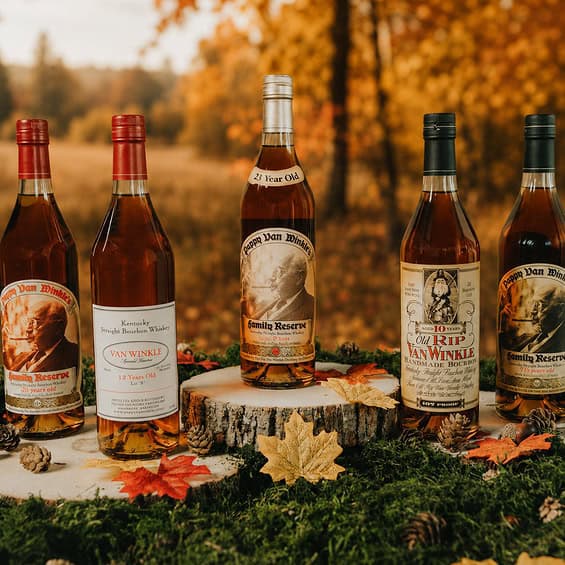
What are the main styles?
| Style | The short version |
|---|---|
| Bourbon | Made in the U.S. from at least 51% corn and aged in new charred oak. Sweet, with vanilla and caramel. |
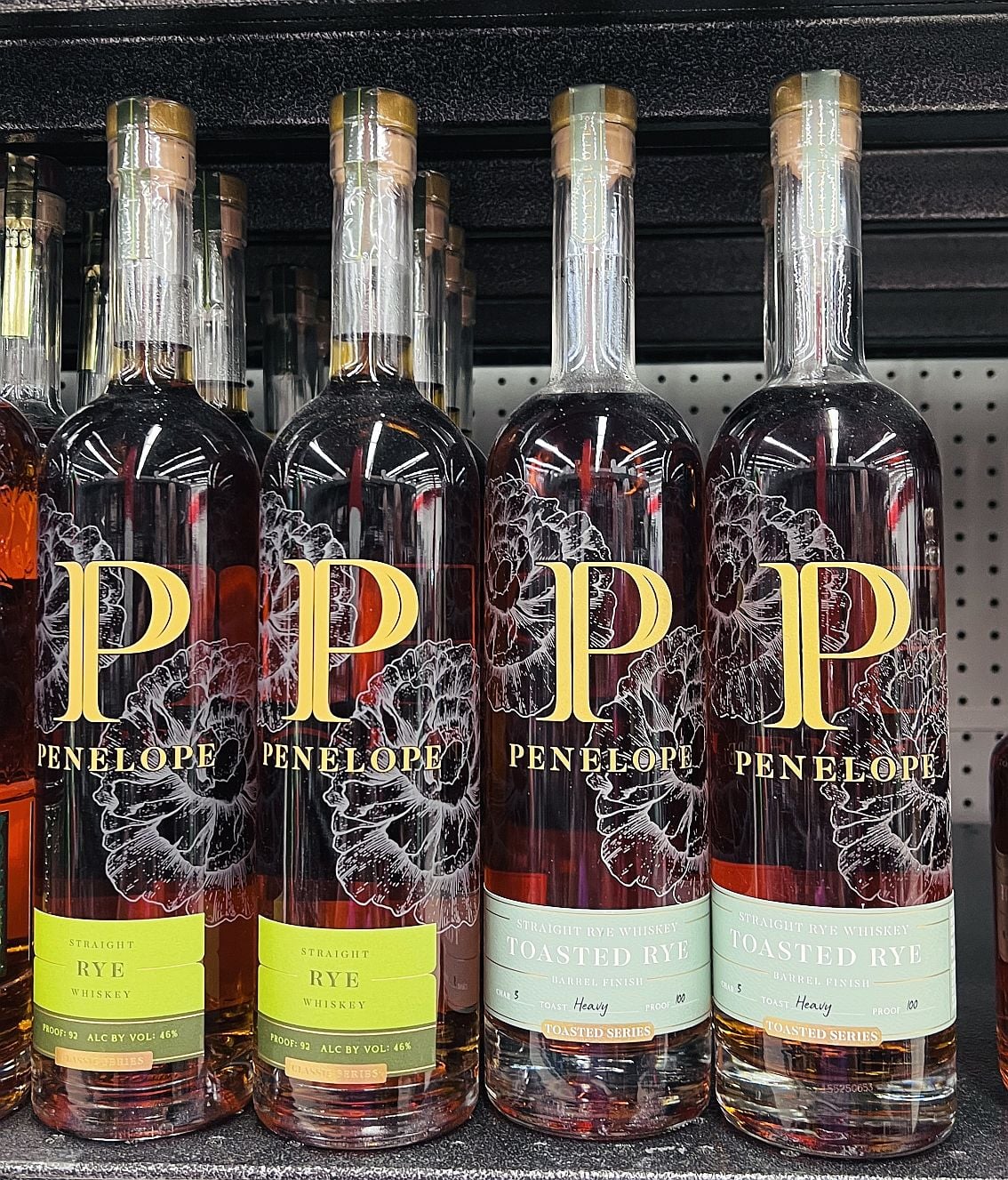
| Rye | At least 51% rye grain. Spicier and drier than bourbon. |
| Tennessee whiskey | Much like bourbon, but filtered through maple charcoal before aging. Mellow and smooth. |
| Scotch | From Scotland, aged at least three years. Single malt comes from one distillery using malted barley; blended Scotch mixes several. Some are smoky. |
| Irish whiskey | Aged at least three years, typically light, smooth, and gently fruity. |
| Canadian whisky | Usually light and blended. Often called “rye” in Canada even when it contains little rye. |
| Japanese whisky | Often modeled on Scotch, known for polish and balance. |
When would you use each style?
Bourbon is the friendly choice for an Old Fashioned or Whiskey Sour. Rye is the traditional base for a Manhattan. Canadian and Irish whiskey shine in easy highballs. Smoky Scotch is best sipped, or used in small amounts for a smoky accent.
Which mixers work well, and why?
Ginger ale and soda water stretch whiskey into a long, easy drink. Lemon and a little sugar balance its richness. Sweet vermouth and bitters deepen its spice. Coffee, honey, and apple cider are cozy cold-weather partners.
What can you substitute?
Bourbon and rye trade places easily; bourbon makes a drink a bit sweeter, rye a bit spicier. Swapping in a smoky Scotch will take over the whole drink, so only do it if you love smoke. In a pinch, an aged rum or brandy can stand in for bourbon.
Did you know?
Whiskey’s roots lie in Ireland and Scotland, where distillers began applying their craft to fermented drinks made from grain. Scotland’s earliest documented distilling record dates to 1494. Those early spirits were part of the beginning of a much longer story. The whiskey styles we recognize today, with their particular aging methods, flavors, and legal standards, developed over time.
Bourbon shows how rules define a style. It must be made in the United States from a mash of at least 51% corn and aged in new charred oak containers. So all bourbon is whiskey, but not all whiskey is bourbon. And despite what many people think, bourbon does not have to come from Kentucky, though most of it does. Some of our best bourbons have come from traveling Kentucky’s Bourbon Trail.
Try it yourself
- Halloween Old Fashioned
- Mango Whiskey Sunrise
- Penicillin
- Boulevardier
- Cajun Highball
- Apple Cider Sour
- Honey RumChata
- Nutter Butter Cocktail
- Maple Old Fashioned
- Amaretto Sour
- Hot Toddy
- Fireball Thanksgiving Punch
See all 93 recipes in Bourbon and Whiskey Drink Recipes
Shop at Total Wine & More: BourbonRye whiskeyScotch
Check prices or order for pickup at Total Wine & More, if there is one near you. If Total Wine & More can’t ship to your state, an item may show as “unavailable.” Click View product to see whether you can pick it up or get same-day delivery. These are affiliate links, so we may earn a small commission at no extra cost to you.
Want to go deeper?
Want to learn more about whiskey and bourbon? Try these books.
- Bourbon Curious by Fred Minnick. A simple tasting guide to bourbon, with notes on dozens of bottles. A perfect next step after a Bourbon Trail trip.
- Whiskey Distilled by Heather Greene. A friendly guide to tasting every kind of whiskey, from Scotch and Irish to bourbon and rye.