
This post contains affiliate links. If you buy through them, we may earn a small commission at no extra cost to you. As an Amazon Associate I earn from qualifying purchases. Learn more
Some people say gin tastes like a Christmas tree. They are not entirely wrong. But gin is far more varied than its reputation, and a good gin and tonic has won over plenty of former skeptics.
What is it?
Gin starts as a neutral spirit, much like vodka, that is then flavored with juniper berries and other plant ingredients called botanicals. Juniper must be the leading flavor. Common botanicals include coriander seed, citrus peel, angelica root, and orris root, but every brand has its own recipe.
What the law says
In the U.S., gin is a regulated standard of identity. A bottle can only be labeled that way if it meets these rules.
- Juniper rule: juniper has to be the main flavor you taste. Adding just a little juniper to the recipe is not enough.
- How it can be made: by distilling, by redistilling a spirit with botanicals, or by mixing neutral spirit with botanical flavorings. Only the first two may be labeled “distilled gin.”
- Bottled at: at least 40% alcohol (80 proof).
- Aging: not required, but aging in oak is allowed.
Source: U.S. standards of identity, 27 CFR § 5.144. Flavored versions, specialty products, and named subtypes may have additional or different requirements.
How is it made?
Most gin starts as neutral spirit, much like vodka. Producers then add juniper and other botanicals, either by redistilling the spirit with them or by steeping them in it. Each brand’s particular mix of botanicals is its signature, and many keep the recipe a closely guarded secret.
What does it taste like?
Piney and resinous from the juniper, with herbal, citrusy, peppery, or floral notes depending on the botanicals. It is usually dry, not sweet.
What are the main styles?
- London Dry. Juniper-forward and crisp, with no sweetening added. Despite the name, it can be made anywhere. This is the classic style.
- Plymouth. Softer and a little earthier than London Dry.
- Old Tom. A slightly sweetened, old-fashioned style. Nice for gin skeptics.
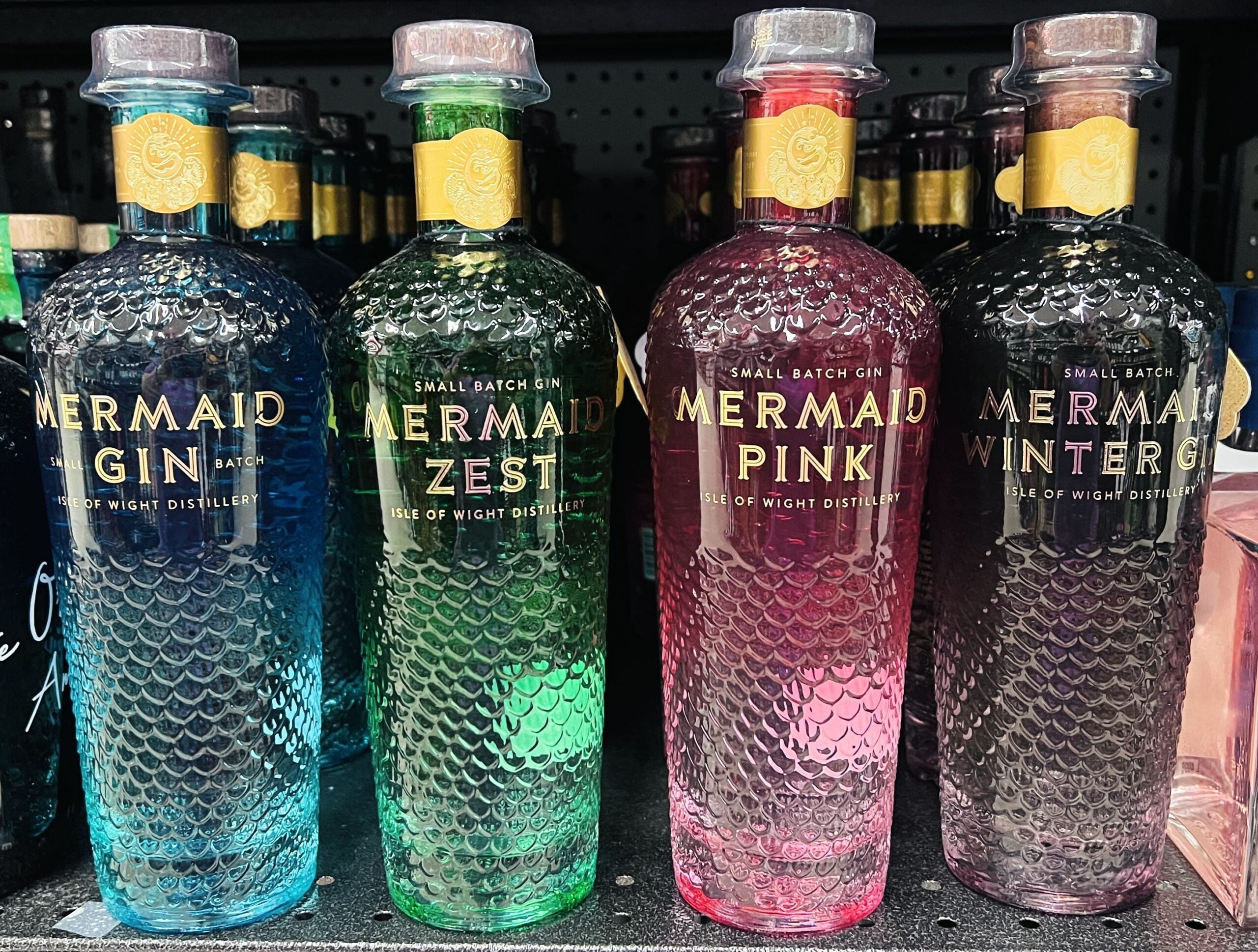
- Contemporary or “New Western.” Juniper takes a back seat to other flavors such as cucumber, rose, or citrus. A gentle introduction to gin.
- Sloe gin. Not really gin at all, but a sweet, red liqueur made by steeping sloe berries in gin. Lower in alcohol.
When would you use each style?
Reach for London Dry in a gin and tonic, Martini, Gimlet, or Tom Collins. Try a contemporary gin in light, fruity, or floral drinks, or for guests who think they dislike gin. Use Old Tom when you want a rounder, softer drink.
Which mixers work well, and why?
Tonic water is the classic match because its bitterness echoes the herbal notes. Lemon or lime juice brightens the citrus botanicals. Soda water stretches gin into a light, refreshing highball. Grapefruit, cucumber, elderflower liqueur, and dry vermouth are other good partners.
What can you substitute?
Vodka can stand in for gin in a pinch, but you lose the botanical flavor. Add a twist of lemon peel or a sprig of rosemary to bring back a little of that character. Swapping one gin style for another changes the drink more than you might expect, so taste as you go.
Did you know?
Gin traces its roots to genever, also spelled jenever, a juniper-flavored spirit from the Netherlands and Belgium. Its name comes from the Dutch word for juniper—the botanical at the heart of both spirits.
Genever still has its own distinct tradition today. Often maltier than modern gin, it offers a different experience from the botanical-forward flavors found in many gins, including London Dry. Tasting vodka and gin side by side makes a great tasting: same neutral starting point, wildly different results once the botanicals go in.
Try it yourself
- Raspberry Clover Club
- Negroni Sour
- Dry Martini
- Fig 75
- Fog Cutter
- Amaretto and Baileys Martini
- Blue Lady
- Dirty Sartini
- Aviation
- Hibiscus Lemon Cocktail
- Tom Collins
- Rosemary Gimlet
See all 77 recipes in Gin Drink Recipes
Shop at Total Wine & More: Gin
Check prices or order for pickup at Total Wine & More, if there is one near you. If Total Wine & More can’t ship to your state, an item may show as “unavailable.” Click View product to see whether you can pick it up or get same-day delivery. These are affiliate links, so we may earn a small commission at no extra cost to you.
Want to go deeper?
Want to learn more about gin? Try these books.
- Gin: The Manual by Dave Broom. Explains gin styles and tests dozens of gins with tonic and other mixers to find the best pairings.
- The Drunken Botanist by Amy Stewart. The plants behind every bottle, from agave and juniper to sugarcane and barley. Great reading for curious minds.